
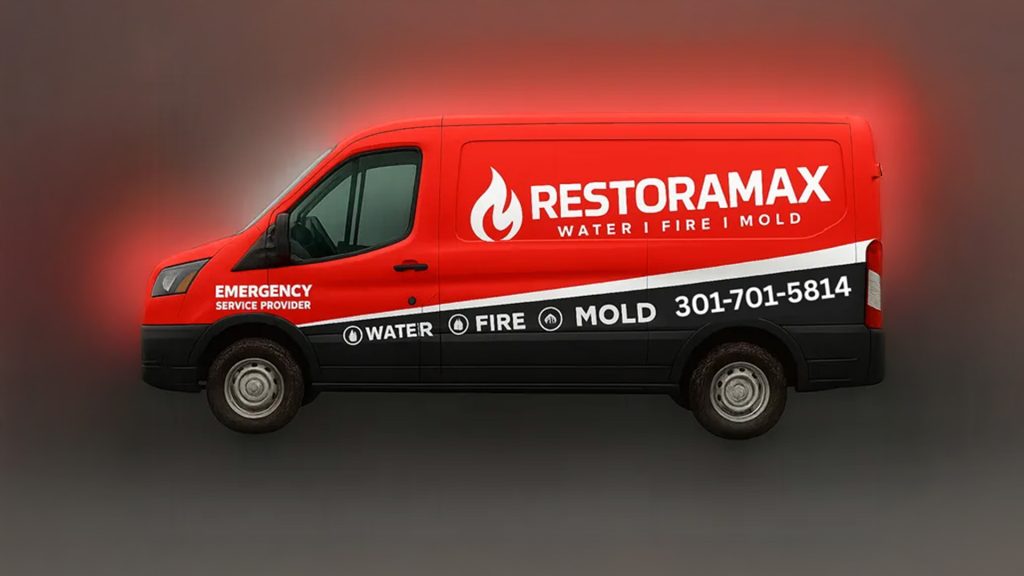
Emergency restoration services in Maryland are essential when fire, water, or mold damage threatens your property and your peace of mind. In those first minutes and hours, the choices you make can reduce structural damage, prevent mold growth, and speed up the entire recovery process. This guide walks you through exactly what to do, step by step, with clear actions you can take immediately.
Table of Contents
- What Emergency Restoration Services Include
- Step 1: Make the Area Safe First
- Step 2: Stop the Source of Damage
- Step 3: Document Everything for Insurance
- Step 4: Prevent Secondary Damage (Especially Mold)
- Step 5: Professional Cleanup & Drying
- Step 6: Repairs, Rebuild & Final Restoration
- Step 7: Reduce the Risk of Future Emergencies
- FAQ
Emergency Restoration Services in Maryland When Every Minute Matters
When people search for emergency restoration services in Maryland, they usually need help right now. Restoration is more than “cleanup.” It typically includes emergency response, assessment, water extraction, structural drying, smoke/soot cleanup, odor removal, mold containment, sanitizing, and rebuilding.
In other words, restoration is a full recovery plan—from the first emergency call to the moment your property is safe, clean, and fully repaired.
Step 1: Make the Area Safe First
Before you start moving items or cleaning up, focus on safety. After water damage, electricity and water can be a dangerous combination. After fire damage, soot particles and weakened structures can pose serious risk. After mold, disturbed spores can spread quickly.
- If you smell gas, leave immediately and call emergency services.
- If there is standing water near outlets or electrical panels, avoid the area.
- If the structure looks unstable, do not enter until it’s cleared.
If you’re unsure, the safest choice is to call a professional team that provides emergency restoration services in Maryland and can guide you on next steps immediately.
Step 2: Stop the Source of Damage
Stopping the source reduces how much damage spreads. If safe to do so:
- Water: shut off the main water valve for burst pipes or leaks.
- Fire: once cleared by the fire department, avoid running fans that may spread soot until a pro assessment is done.
- Mold: avoid scrubbing or spraying bleach—containment and moisture control matter more.
Even if you stop the source, hidden moisture can remain inside walls, flooring, and insulation. That’s why emergency restoration services in Maryland often begin with moisture detection tools to locate what you can’t see.
Step 3: Document Everything for Insurance
Take photos and short videos of affected areas before major cleanup begins (only if it’s safe). Capture:
- Damaged rooms from multiple angles
- Close-ups of soaked materials, smoke staining, or visible mold
- Appliances, HVAC areas, and any suspected source
Keep a simple list of damaged belongings and approximate value. This makes the claim process smoother, and many providers of emergency restoration services in Maryland can help organize documentation and coordinate with insurance.
Helpful external resources:
FEMA guidance and disaster resources
American Red Cross fire safety and recovery tips
Step 4: Prevent Secondary Damage (Especially Mold)
Secondary damage is what happens after the initial emergency—like swelling floors, warped drywall, lingering odor, or mold growth. Mold can begin developing in damp conditions quickly, so rapid drying and dehumidification matter.
Here are practical actions you can take while waiting for emergency restoration services in Maryland:
- Move valuables to a dry, safe area if possible.
- Open windows only if outside humidity is low and conditions are safe.
- Place aluminum foil or wood blocks under furniture legs to reduce staining.
- Avoid using household vacuums for water removal (shock risk + poor extraction).
Step 5: Professional Cleanup & Drying
This is where professional equipment and training make the biggest difference. Quality emergency restoration services in Maryland typically include:
Water Extraction and Structural Drying
Industrial extraction removes water from carpet, padding, and subfloors. Then high-capacity air movers and dehumidifiers dry structural materials. Pros also check moisture inside walls and under flooring to prevent trapped dampness.
Fire and Smoke Cleanup
Fire damage isn’t only burn marks—it’s soot residues, odor, and air-quality issues. Professional cleaning uses specialized methods for surfaces, ventilation areas, and deodorization to restore indoor comfort.
Mold Containment and Remediation
Professional remediation focuses on controlling moisture, isolating affected zones, safely removing contaminated materials, and ensuring the area is properly treated and dried.
If you want to see the services breakdown, you can link internally like this:
Step 6: Repairs, Rebuild & Final Restoration
After mitigation (cleanup + drying), restoration moves into repairs and rebuilding. Depending on the damage, this can include drywall replacement, flooring, baseboards, painting, odor sealing, and reconstruction work.
Strong emergency restoration services in Maryland follow a clear workflow:
- Confirm moisture levels are stable
- Remove compromised materials
- Repair and rebuild affected areas
- Final cleaning and verification
This step is where homeowners often feel relief—because the home stops feeling “damaged” and starts feeling normal again.
Step 7: Reduce the Risk of Future Emergencies
Once everything is restored, small prevention upgrades can reduce repeat incidents. Consider:
- Install a water leak detector near water heater and under sinks
- Maintain HVAC systems and keep indoor humidity controlled
- Clean dryer vents and check smoke alarms regularly
- Inspect roof and gutters to prevent water intrusion
These steps support long-term protection and can lower the odds you’ll need emergency restoration services in Maryland again.
Watch: What to Do Immediately After Property Damage
If you prefer a quick visual overview, this video can help you understand the first actions to take after an emergency. https://www.youtube.com/embed/6v2L2UGZJAM
FAQ: Emergency Restoration in Maryland
How fast should I call after water or fire damage?
Immediately. The sooner you request emergency restoration services in Maryland, the better your chances of minimizing damage, preventing mold, and reducing repair costs.
Do I need to talk to insurance before calling restoration?
You can call right away. Many restoration teams can help you document damage and coordinate the claim process while work begins.
Can I handle mold cleanup myself?
Small surface issues may be manageable, but hidden moisture and widespread mold require professional containment and remediation to prevent spreading and recurring problems.
Need Help Right Now?
If you’re dealing with fire, water, or mold damage, don’t wait. Emergency restoration services in Maryland are most effective when response is fast and organized.
Call for Emergency: 301-357-8440
Contact page: https://restoramax.com/contact-us/