Mold After Water Damage: How Fast It Grows and How to Stop It
The Hidden Threat After Every Water Damage Event
Water damage is visible. Mold is not, at least not at first. By the time most homeowners see mold growing on a wall or smell that unmistakable musty odor, it's been colonizing for days or weeks. Mold is the reason water damage restoration can't wait, and it's the reason "it dried out on its own" is one of the most expensive phrases we hear from Central Maryland homeowners who call us weeks after a water event.
Here's what you need to know about how mold grows after water damage, how to recognize the early warning signs, and what to do, and not do, when you find it.
How Fast Does Mold Actually Grow?
Under ideal conditions, which water-damaged building materials provide, mold spores can begin germinating within 24 to 48 hours of water exposure. Within 3 to 12 days, visible mold colonies can form. Within weeks, mold can spread through wall cavities, into HVAC systems, and across large areas of a home, all while remaining hidden behind drywall or under flooring.
The key variables that determine how fast mold grows are moisture, temperature, and an organic food source. Water-saturated drywall, wood framing, insulation, and carpet all provide exactly what mold needs. Maryland's humid climate makes conditions even more favorable. A home that "dried out" without professional equipment- meaning the surfaces feel dry, but the structural materials behind them are still holding moisture- is a home that will likely develop a mold problem.
Where Mold Hides After Water Damage
Mold doesn't grow where you can see it first. It grows where moisture accumulates, and air circulation is poor. The most common hidden locations after water damage in Central Maryland homes include:
- Inside wall cavities behind drywall
- Under hardwood flooring and carpet padding
- Inside ceiling cavities
- In crawl spaces and basements
- Inside HVAC ducts that drew in moist air during the water event
- Behind kitchen and bathroom cabinets
This is why proper structural drying with commercial equipment matters so much. Surface-dry materials can still contain enough residual moisture deep in their structure to support mold growth. Professional moisture meters measure the actual moisture content of building materials, not just the surface, to confirm complete drying.
Warning Signs You Already Have Mold
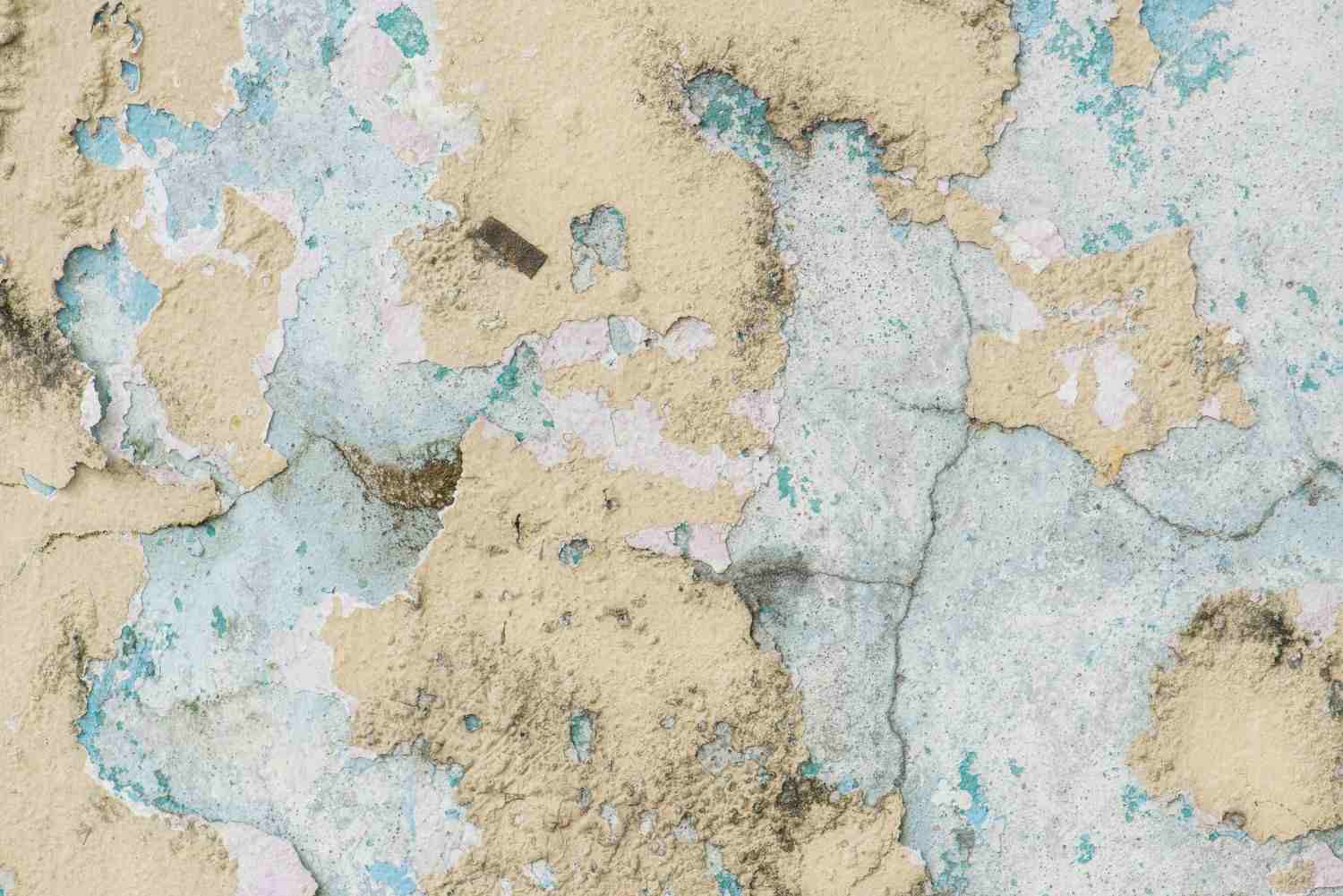
The most obvious sign is visible mold: black, green, white, or gray spots on walls, ceilings, or floors. But mold is often present long before it's visible. A persistent musty or earthy odor that doesn't go away with ventilation is a strong indicator of hidden mold growth. Unexplained allergy symptoms, sneezing, runny nose, itchy eyes, and respiratory irritation that improve when you leave the house and return when you come back suggest mold in your living space. Bubbling, peeling, or staining on walls or ceilings can indicate moisture and mold beneath the surface.
If you had water damage within the last 30 to 90 days and any of these signs are present, call a professional immediately. The longer you wait, the more mold spreads and the more expensive remediation becomes.
Do You Actually Need Mold Testing?
The EPA's published guidance is direct: if mold is visible, sampling is usually unnecessary. There's no federal health-based threshold for indoor mold spore counts to test against, so a lab report confirming what you can already see doesn't change what needs to happen next: remove it and fix the moisture source.
Testing earns its cost in narrower situations:
- Mold is suspected but not visible (persistent musty odor, no clear source)
- Someone in the home has ongoing, unexplained symptoms and a source needs to be confirmed
- A real estate transaction requires documentation
- Post-remediation clearance testing to confirm a job was done correctly
What NOT To Do When You Find Mold
- Do not disturb it. Scrubbing mold or ripping out moldy drywall without proper containment releases millions of spores into the air and spreads the problem to unaffected areas of your home.
- Do not paint over it; mold grows through paint.
- Do not run fans or HVAC without professional guidance; air movement can spread spores.
- Do not use bleach as a remediation solution; bleach kills surface mold on non-porous materials but does nothing for mold in porous materials like drywall and wood, which is where the problem actually lives.
The Professional Mold Remediation Process
Proper mold remediation is not a cleaning job; it's a controlled removal process. At RestoraMax, we follow IICRC S520 protocols on every mold job in Central Maryland. The process begins with professional testing and inspection to identify the type and extent of mold growth, followed by containment and negative air pressure barriers that prevent spores from spreading to unaffected areas during work.
Affected materials are removed and disposed of safely according to industry protocols. HEPA air scrubbers run continuously throughout the remediation process, capturing airborne spores and improving indoor air quality. The moisture source that caused the mold is identified and addressed because without fixing the moisture problem, mold will return regardless of how thorough the removal was. Finally, post-remediation clearance testing by an independent third party confirms the job is complete before we close out.
Maryland's New Mold Law: What Changed in 2025
If you rent your home, Maryland law changed significantly in 2025. The Maryland Tenant Mold Protection Act (SB 856), effective July 1, 2025, is one of the few state-specific mold statutes in the country. It requires landlords to:
- Perform a mold assessment within 15 days of receiving written notice from a tenant
- Complete remediation within 45 days of that assessment
- Provide tenants an informational pamphlet about mold risks and prevention
- Follow testing and remediation standards the Maryland Department of the Environment must finalize by June 1, 2027
The law specifically names nine mold types it treats as hazardous: Alternaria, Aspergillus, Chaetomium, Cladosporium, Fusarium, Paecilomyces, Penicillium, Stachybotrys, and Trichoderma.
Outside of this new tenant-specific law, Maryland still has no statute requiring sellers or landlords to proactively disclose past mold to buyers or incoming tenants, though existing habitability law (Real Property § 8-211) already required landlords to keep units sanitary and to respond to written repair notices. SB 856 adds hard deadlines and named species on top of that general duty.
| Who You Are | What Changed for You |
|---|---|
| Homeowner | No direct change. Insurance and remediation guidance below still applies the same way. |
| Landlord (Maryland) | New hard deadlines: 15 days to assess after written tenant notice, 45 days to remediate. Must provide a mold information pamphlet. |
| Tenant (Maryland) | Put mold reports in writing. You now have a statutory clock your landlord must meet, on top of existing habitability protections and rent-escrow rights under §8-211. |
Is Mold Covered by Homeowner's Insurance?
It depends on the cause. If mold resulted from a covered water damage event, a burst pipe, storm damage, or appliance failure, most policies will cover mold remediation as part of the water damage claim. If mold resulted from gradual moisture issues, lack of maintenance, or flood damage, it typically is not covered. Document mold as part of your original water damage claim immediately; don't let weeks pass before reporting it, as this gives insurance companies grounds to argue the mold was pre-existing or resulted from delayed action.
This is the same sudden-vs-gradual distinction that determines whether the original water damage claim is covered in the first place; insurers will look at mold the same way they look at the water event that caused it.
The Bottom Line
Mold after water damage is not an "if"; it's a "when," unless the water damage is properly extracted and dried by professionals within the critical window. If you had water damage recently and haven't had professional drying performed, or if you're noticing any of the warning signs above, call RestoraMax at (301) 357-8440. We serve all of Central Maryland 24/7 and can assess your situation immediately.
Related reading: