Fire & Smoke Damage Restoration in Maryland 24/7 Emergency Response
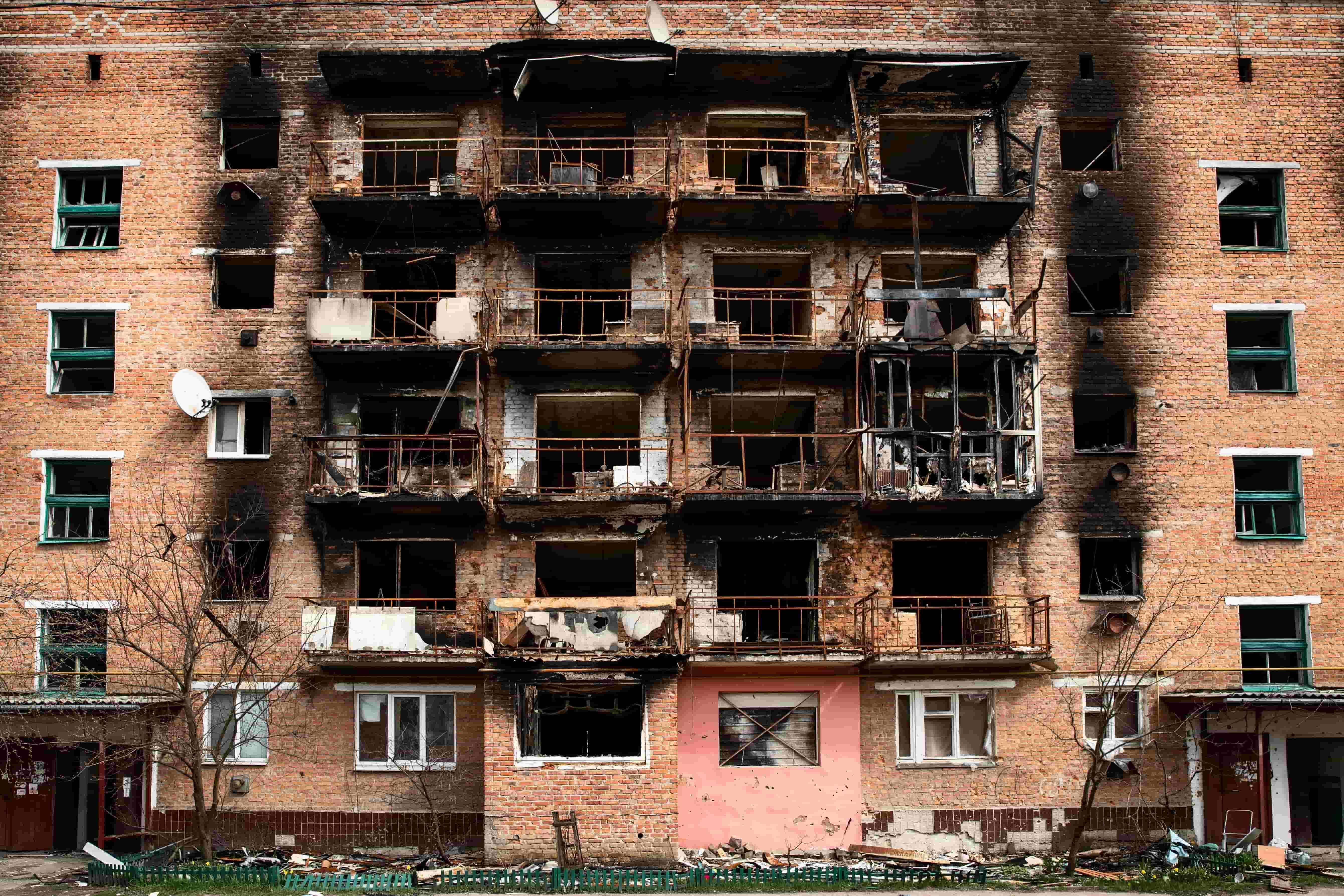
A house fire changes everything in minutes but the damage it leaves behind keeps spreading long after the flames are out. Smoke penetrates walls, soot begins corroding surfaces, and water from firefighting efforts saturates structural materials, creating conditions for mold within 48 hours. RestoraMax responds immediately to fire and smoke damage across all of Maryland, arriving on-site within 60 minutes to secure your property, stop secondary damage, and begin the restoration process the same day.
Our IICRC-certified technicians handle every phase of fire damage recovery from emergency board-up and soot removal through smoke odor elimination and full structural rebuild. One team. One point of contact. No subcontractors. No gaps between mitigation and reconstruction.
What Fire Damage Restoration Includes
RestoraMax provides complete, end-to-end fire and smoke damage recovery. Every engagement begins with emergency response and ends with your property fully restored to pre-fire condition.
Emergency Board-Up & Property Securing
Once the fire department clears the scene, your property is structurally compromised and exposed to weather, vandalism, and further deterioration. We arrive immediately with boarding materials, tarps, and temporary fencing to seal all fire-damaged openings windows, doors, roof penetrations. This step prevents thousands of dollars in preventable secondary damage from rain, wind, or unauthorized entry.
Smoke & Soot Removal
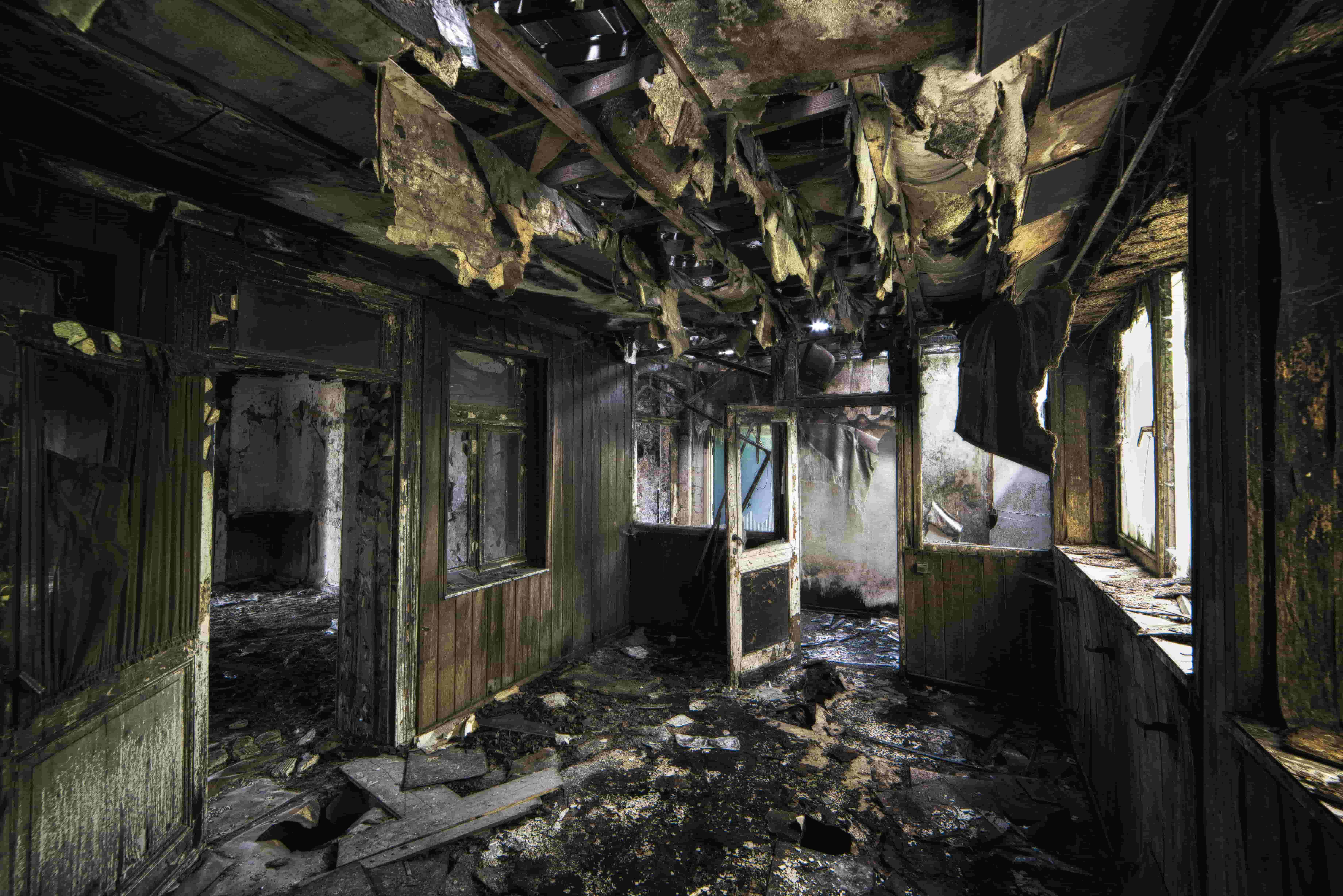
Soot is not simply ash it is a complex mixture of carbon particles, volatile organic compounds (VOCs), heavy metals, and acidic residues from combusted materials. Acidic soot begins etching glass within minutes of deposition and corrodes metal surfaces within hours. We use industrial cleaning techniques dry chemical sponging, wet cleaning, and abrasive methods appropriate to each surface type to remove soot before permanent damage occurs. This is time-sensitive work that consumer cleaning products cannot replicate.
Smoke Odor Elimination Thermal Fogging, Ozone & Hydroxyl Treatment
Smoke odor is not a surface problem. Odor-causing compounds penetrate deep into building materials drywall, wood framing, insulation, subfloor at the molecular level. Air fresheners and surface sprays mask odor temporarily but cannot eliminate it. We deploy three professional-grade odor neutralization methods: thermal fogging (dispersing deodorizing particles that penetrate the same pathways smoke followed), ozone treatment (oxidizing odor molecules at their chemical source), and hydroxyl generation (a safe, occupant-compatible process for persistent odor situations). The combination eliminates smoke odor completely not cosmetically.
Water Extraction from Firefighting Efforts
Content Cleaning & Personal Property Restoration
Smoke and soot reach every corner of a structure, including rooms with no fire contact. Furniture, clothing, documents, electronics, and personal belongings are cataloged, carefully packed out, and brought to our cleaning facility. Items that can be restored through ultrasonic cleaning, ozone treatment, or specialized laundering are returned cleaned and deodorized. Items that cannot be restored are thoroughly documented for your insurance claim.
Full Structural Rebuild One Company, Start to Finish
When remediation is complete, reconstruction begins. We handle framing, drywall, insulation, flooring, painting, cabinetry, and fixtures restoring your property to pre-fire condition. Because RestoraMax performs both mitigation and reconstruction with the same in-house team, nothing falls through the cracks and your rebuild timeline is not delayed waiting for a separate contractor to mobilize.
Our 5-Step Fire Damage Restoration Process
From emergency response to full rebuild, here's exactly what to expect.
Emergency Response & Board-Up (Within 60 Minutes)
You call. A live RestoraMax technician answers 24 hours a day, every day of the year. We dispatch the nearest crew immediately. On-site, we conduct a rapid structural safety assessment, then begin emergency board-up of all exposed openings and roof tarping to weatherproof the structure. This step protects your insurance coverage and prevents preventable loss from rain, wind, and unauthorized entry.
Full Damage Assessment & Insurance Documentation
Smoke, Soot & Odor Removal
Industrial soot removal begins with dry chemical sponging on all affected surfaces, followed by wet cleaning for stubborn residue on non-porous surfaces. HEPA air scrubbers run continuously during this phase to capture airborne particles. Once surface cleaning is complete, thermal fogging and ozone treatment are deployed for odor neutralization, followed by hydroxyl generation for persistent odor in occupied or content-heavy spaces.
Water Extraction & Structural Drying
All water introduced during firefighting is extracted using industrial pumps and truck-mounted units. Commercial air movers and refrigerant dehumidifiers run until calibrated moisture meters confirm every structural material has returned to dry-standard levels. This phase runs concurrently with smoke remediation wherever safe to do so, compressing the overall project timeline.
Complete Structural Restoration & Rebuild
Once the structure is clean, dry, and odor-free, the rebuild begins. We restore framing, insulation, drywall, flooring, painting, cabinetry, and fixtures to pre-fire condition all with the same in-house team that performed the mitigation. No contractor handoffs, no coordination delays, no accountability gaps. You work with one company from the first call through the final inspection.
Why Fire Damage Keeps Spreading After the Flames Are Out
The 24–48 Hour Soot Corrosion Window
The NFPA (National Fire Protection Association) reports that fire departments responded to approximately 350,000 home structure fires in the United States in 2022. What many Maryland homeowners don't realize is that the corrosive secondary damage from those fires often exceeds the direct burn damage. Acidic soot etches glass within 24 hours, begins corroding copper wiring and plumbing within 48 hours, and permanently stains porous surfaces if not removed within 72 hours. Once these windows pass, damage that was reversible becomes permanent. This timeline not convenience is why professional fire restoration must begin immediately.
How Smoke Travels Through Your Entire Property
Smoke does not stay in rooms where a fire originated. It follows air pressure differentials, infiltrating adjacent spaces through wall penetrations, electrical outlets, HVAC ducts, and ceiling gaps. A kitchen fire can deposit soot throughout a three-story home within hours. HVAC systems are particularly vulnerable smoke entering the return air side of a system distributes odor-causing particles through every connected space. Professional restoration includes HVAC assessment and cleaning as a standard component, not an add-on.
Water Damage Caused by Firefighting Efforts
Fire suppression applies water at rates that far exceed what any residential property is designed to absorb. A single fire hose delivers 125 to 250 gallons per minute a 30-minute suppression event can deposit 7,500 gallons or more into a structure. Every gallon not extracted and dried professionally creates a mold risk. The EPA notes that mold can begin developing within 24 to 48 hours on moist surfaces. Fire damage restoration that does not address firefighting water is incomplete restoration.
Health Risks of Smoke and Soot Exposure
Smoke and soot exposure carries documented health consequences recognized by the EPA and CDC. Fine particulate matter (PM2.5) in smoke penetrates deep into lung tissue and has been linked to respiratory disease, cardiovascular stress, and worsened outcomes for individuals with asthma, COPD, or cardiac conditions. VOCs released during combustion include benzene, formaldehyde, acrolein, and other carcinogenic compounds. Carbon particles from soot are irritating to skin, eyes, and upper respiratory tract. Professional remediation removes these hazards systematically personal protective equipment is required even for cleanup personnel. Re-occupying a fire-damaged property without professional clearance is a genuine health risk, not a precautionary one.
Is Smoke Odor Permanently Removable?
Why Consumer Products Cannot Eliminate Smoke Odor
Smoke odor is caused by pyrolysis byproducts complex organic compounds that bond with porous building materials at the molecular level. These compounds are not water-soluble and are not affected by air fresheners, surface sprays, baking soda, or activated charcoal solutions. Masking agents suppress perception of the odor temporarily while the underlying compounds remain in building materials, often re-activating in humidity and heat. This is why fire-damaged homes treated with consumer products continue to smell of smoke months or years later.
Thermal Fogging, Ozone Treatment & Hydroxyl Generation Explained
Professional odor elimination works at the same level smoke penetration occurred. Thermal fogging disperses a petroleum-based deodorizing solution as a fine fog that follows the same pressure pathways smoke used, physically contacting and neutralizing odor molecules inside walls, subfloor, and structural cavities. Ozone treatment generates O3 molecules that oxidize and permanently alter the chemical structure of odor compounds, eliminating them rather than masking them. Hydroxyl generators produce the same hydroxyl radicals found naturally in the Earth's atmosphere safe for use with contents and soft materials in place. Used in combination and with appropriate dwell times, these technologies eliminate smoke odor permanently.
Can Your Belongings Be Restored After Fire Damage?
What Can and Cannot Be Restored
Restorable items typically include: furniture (wood, upholstered), clothing and linens, hard-surface electronics, appliances with no heat damage, books and documents (with freeze-drying for severe cases), and most kitchenware and décor. Items that generally cannot be restored: those with direct burn or charring damage, items where soot has penetrated beyond cleaning thresholds, and food and pharmaceuticals exposed to fire, smoke, or elevated heat. Our content specialists assess each item individually and document everything both restored and non-restorable for your insurance adjuster.
Content Pack-Out Why Removing Items Speeds Restoration
Removing contents from a fire-damaged structure serves two purposes: it enables unimpeded access to structural surfaces for cleaning and odor treatment, and it gets your belongings into a controlled cleaning environment immediately. On-site cleaning cannot match the effectiveness of facility-based ultrasonic cleaning, industrial laundering, and ozone chambers. We catalog every item before pack-out, providing a full inventory to both you and your insurance carrier.
Does Homeowners Insurance Cover Fire Damage in Maryland?
Yes fire damage is among the most consistently covered perils in standard homeowners insurance policies. Maryland homeowners with active dwelling coverage are typically entitled to: structural damage repair and rebuild, smoke and soot damage remediation, additional living expenses (ALE) while displaced, and personal property replacement or restoration. What policies vary on: full replacement cost vs. actual cash value for contents, and whether temporary housing limits cover actual costs in your area.
RestoraMax handles the full insurance documentation process. We provide photo documentation, written damage reports, content inventories, moisture logs, and all documentation in the format Maryland adjusters require. We communicate directly with your carrier and advocate for a complete settlement we have worked with every major insurance company operating in Maryland.
What Happens After a Fire, And Why Professional Restoration is Essential
A house fire is one of the most devastating events a homeowner can experience. But what many people don't realize is that the damage doesn't stop when the flames go out. Smoke and soot continue to corrode surfaces, embed into fabrics and porous materials, and spread through HVAC systems to affect rooms far from the fire's origin. Water from firefighting efforts saturates structural materials, creating ideal conditions for mold growth. Without immediate professional intervention, secondary damage can exceed the original fire damage within days.
Professional fire damage restoration is not optional, it's essential. The chemicals released during combustion produce acidic residues that etch glass, corrode metal, and permanently stain surfaces if not removed within 24 to 48 hours. Smoke odor penetrates deep into building materials at the molecular level and cannot be eliminated with consumer cleaning products. Only professional techniques like thermal fogging, ozone treatment, and hydroxyl generation can fully neutralize smoke odor.
The Restoramax fire damage restoration process begins with emergency response: we arrive within 60 minutes to assess structural safety and begin emergency board-up and tarping to secure your property from weather, vandalism, and further damage. Next comes comprehensive damage assessment and documentation, detailed photos, written reports, and inventory lists that form the foundation of your insurance claim. We then move to soot and smoke removal using industrial cleaning techniques, followed by odor elimination using commercial-grade equipment. Water extraction and structural drying address all water used during firefighting. Finally, we handle complete structural reconstruction, framing, drywall, insulation, flooring, painting, fixtures, until your home is restored to its pre-fire condition.
We work directly with your insurance adjuster throughout the entire process. Fire damage claims are complex, they involve structural damage, smoke and soot damage, water damage, content loss, and temporary living expenses. Restoramax documents every element of your loss and communicates directly with your insurance company to ensure you receive the full coverage you're entitled to.
Restoramax provides fire and smoke damage restoration services across all of Maryland including Montgomery County, Prince George's County, Howard County, Anne Arundel County, Baltimore County, Baltimore City, Frederick County, Carroll County, and all surrounding areas. Call us 24/7 for immediate emergency response.
Why Maryland Homeowners Choose RestoraMax
IICRC-Certified Technicians No Subcontractors
Every RestoraMax technician holds IICRC certification, the industry's highest standard for property restoration professionals. We don't subcontract our labor. The exact same team that handles your emergency board-up and property remediation is the team that executes your full structural rebuild. This complete internal continuity eliminates the coordination failures, structural delays, and accountability gaps that frequently plague multi-vendor restoration projects.
60-Minute Response Real People Answering 24/7
Our 24/7 emergency line is answered directly by a live RestoraMax technician—not an automated call center, and not a generic voicemail system. When a disaster strikes your property unexpectedly, response time is measured in minutes, not hours. We maintain a strict 60-minute emergency response guarantee across all of Central Maryland, 24 hours a day, 365 days a year, ensuring professional help arrives precisely when you need it most.
We Handle Your Insurance Claim End-to-End
We have successfully managed and settled complex property damage insurance claims with every major Maryland carrier, including State Farm, Allstate, USAA, Travelers, and Erie. Operating directly from our Bowie, Maryland headquarters, our locally owned, community-focused team provides full end-to-end claim management. We handle all technical loss documentation, direct on-site adjuster communication, and settlement advocacy so you never have to navigate the insurance process alone.
Fire Damage Restoration Service Areas in Maryland
RestoraMax responds to fire and smoke damage emergencies across all of Maryland, including: