Fire Damage Restoration in Prince George's County, MD
A house fire doesn't care whether you live in a 1940s rowhouse off Rhode Island Avenue in Hyattsville or a newer colonial in Mitchellville. It still leaves the same mess: soot on every surface, a smoke smell that won't quit, and standing water from the hoses that put the fire out. RestoraMax runs fire damage restoration across all of Prince George's County Bowie, Upper Marlboro, College Park, Greenbelt, Hyattsville, Laurel, Largo, Fort Washington, Clinton, Brandywine, Mitchellville, Glenn Dale, Lanham, New Carrollton, Riverdale Park, Capitol Heights, District Heights, Suitland, Temple Hills, Oxon Hill, Camp Springs, Cheverly, and Bladensburg. Dispatched from our Bowie base, our crews are typically on-site in 30-45 minutes, and we carry the job from emergency board-up through full structural rebuild without handing you off to a second contractor.
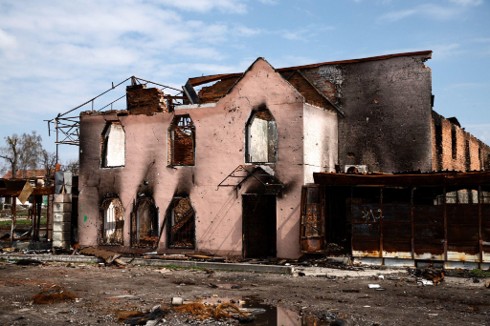
How We Restore Fire-Damaged Homes Across PG County
Extracting Firefighting Water Before It Sets
Firefighting crews routinely put thousands of gallons onto a structure fire, and that water goes everywhere: subfloor, wall cavities, ductwork. Before any fire damage restoration work starts, we extract standing water and set commercial drying equipment, because wet framing left untreated for 48 hours is a mold problem within a week.
Pulling Smoke Out of Walls, Vents & Ductwork
Smoke particles are microscopic and travel with the air pressure in a house, which means they end up inside drawers, behind outlet covers, and deep in HVAC ductwork not just on visible surfaces. We use HEPA air scrubbing, thermal fogging, and ozone or hydroxyl treatment depending on how deep the contamination sits, rather than spraying an air freshener over the top of it.
Neutralizing Acidic Soot Before It Etches Surfaces
Soot is acidic. Left on painted trim, chrome fixtures, or countertops, it keeps etching the surface for as long as it sits there, which is why a same-day response matters more with soot than with almost any other kind of damage. We use dry sponging, chemical sponges, or wet cleaning methods matched to the surface, so we're not just spreading acidic residue around.
Clearing Debris & Flagging Structural Hazards
Burned drywall, insulation, and unsalvageable framing get removed so the rest of the crew can work safely and so an accurate scope of loss can be documented for your insurance adjuster. This step also flags anything structurally compromised before it becomes a hazard for anyone walking the property.
Rebuilding Framing, Drywall & Finishes to Pre-Loss Condition
From framing and drywall to flooring, paint, and fixtures, we rebuild the property to its pre-loss condition. Because this is the same team that handled mitigation, there's no gap in documentation or accountability between "cleanup" and "reconstruction".
The Restoration Timeline We Follow on Every PG County Fire Loss
Emergency Response & Structural Board-Up
Fire mitigation is time-sensitive in a specific way: every hour the structure sits open to weather or trespassers, the loss grows. Our crew boards windows, tarps compromised rooflines, and secures entry points immediately on arrival, before any cleaning begins.
Thermal Imaging & Claim-Ready Documentation
Firefighting suppression can leave hundreds to thousands of gallons of water behind. We use thermal imaging to map moisture intrusion into wall cavities and subfloor, and we document everything this record becomes the backbone of your insurance claim rather than something we assemble after the fact.
Targeted Decontamination for Porous & Non-Porous Surfaces
Acidic soot needs targeted chemical removal, not generic degreaser. Operating as a dedicated smoke restoration company inside our broader fire damage work, we treat porous and non-porous surfaces differently, because treating them the same way just moves the residue instead of removing it.
In-House Rebuild, No Second Contractor
Once the structure is mitigated, dried, and deodorized, our in-house crews handle the rebuild framing, drywall, flooring, painting, fixtures so you're not managing a second contractor after the cleanup phase ends.
Joint Walkthrough Before We Sign Off
We close every job with a joint inspection confirming structural integrity, code compliance, and that the odor treatment actually held, not just that it smelled fine on the day we left.
Fire Damage Issues That Show Up Days Later in PG County Homes
Odor That Keeps Coming Back
Smoke is made of tiny particles that get pushed deep into porous materials drywall, insulation, upholstery, and especially into HVAC ductwork, where it recirculates every time the system runs. Masking it doesn't work; the particles have to be physically removed or neutralized.
Soot Eating Into Fixtures & Trim
Soot's acidity means it keeps damaging whatever it's sitting on. On a chrome faucet or painted trim in a Bowie kitchen, that's cosmetic corrosion within days if it's not cleaned promptly.
Mold Risk From Leftover Firefighting Water
Putting out a house fire floods the home, full stop. Combine that standing water with Maryland's humid summers and you have the ingredients for mold within 24-48 hours if extraction and drying aren't handled immediately.
Weakened Framing You Can't See From the Floor
Extreme heat causes thermal shock in load-bearing timber the wood can look intact while it's actually lost significant structural strength, especially in older Hyattsville and Bladensburg framing that predates modern lumber grading.
Soot Recirculating Through Your HVAC
Your AC and furnace system distributes air throughout the whole house, which means it also distributes soot particles and smoke odor into every room the ductwork reaches, including rooms the fire never touched.
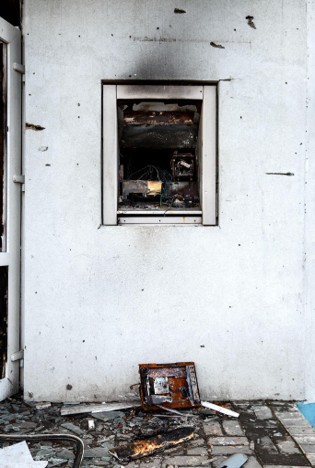
WHEN TO CALL IMMEDIATELY, AFTER A FIRE
The destruction to your property does not stop when the flames are extinguished. The chemical reactions from acidic soot and the rapid spread of moisture make the first 24 to 48 hours critical for saving your home. You need to contact a certified restoration team immediately if you experience any of the following:
The Moment the Fire Department Clears the Scene
Once the fire department clears the scene, the mitigation clock starts running. Engaging a fire damage restoration contractor within the first few hours limits how far smoke and moisture spread.
Broken Windows, Doors & Rooflines Left Open
Shattered windows, damaged exterior doors, and compromised rooflines leave the structure open to Maryland's weather and to trespassing. Emergency board-up needs to happen the same day.
Soot and Odor Still Present
Soot begins etching metal, glass, and painted surfaces within hours, and permanent yellowing of paint and trim sets in fast. Waiting even a day or two measurably increases the damage.
Standing Water From Fire Suppression
Fire suppression puts hundreds of gallons into subflooring and framing. That moisture needs to be extracted and dried the same way any water damage event would be handled, or mold becomes the next problem behind the fire.
Framing That Looks Fine but Isn't
Thermal shock from extreme heat weakens roof trusses and floor joists even when the wood looks fine from a distance. Don't re-enter a fire-damaged property without a professional assessment first.
We Serve Fire Damage Service All of Prince George's County
Why Prince George's County Chooses RestoraMax for Fire Damage
Fire damage in Prince George's County requires a restoration company that understands the specific housing types throughout the county. Older rowhouses in Hyattsville and Bladensburg have shared walls where smoke and soot travel between units. Newer construction in Bowie and Mitchellville has modern materials that react differently to fire and smoke. Our team has restored fire-damaged properties of every type throughout PG County and brings the right approach for every situation, from emergency board-up to complete structural rebuild with full insurance documentation.
Common Fire Damage Questions from Prince George's County Homeowners
RestoraMax provides 24/7 emergency fire damage restoration throughout Prince George's County Maryland including Bowie, Upper Marlboro, College Park, Greenbelt, Hyattsville, Laurel, Largo, Fort Washington, Clinton, Brandywine, Mitchellville, Glenn Dale, Lanham, New Carrollton, Capitol Heights, District Heights, Suitland, Temple Hills, Oxon Hill, and all surrounding communities. IICRC certified, licensed and insured, available 24/7.