Mold Removal & Remediation in Maryland
24/7 Certified Response
Mold doesn't announce itself. By the time you see discoloration on a wall or smell something musty in a basement, the colony has already been growing for weeks spreading through wall cavities, penetrating insulation, and cycling spores through your HVAC system. Surface cleaning doesn't stop it. Bleach doesn't reach it. And waiting makes it worse. RestoraMax provides professional mold inspection, containment, remediation, and post-clearance testing across all of Maryland. Our IICRC-certified technicians follow IICRC S520 protocols the same standard used by insurance carriers and industrial hygienists to eliminate mold at the source, correct the underlying moisture problem, and verify through independent lab testing that your home is genuinely clear before we close the job.
What Professional Mold Remediation Includes
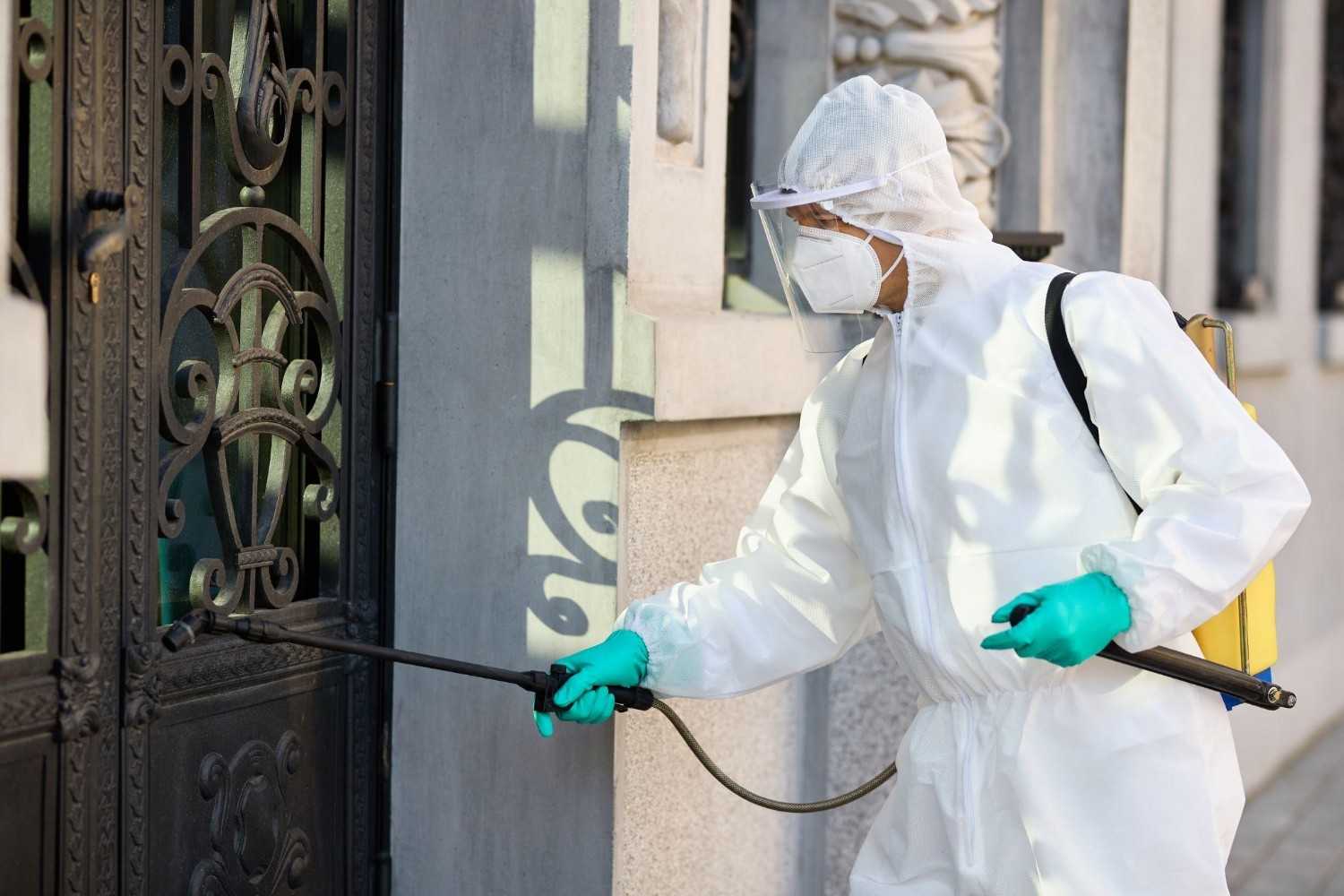
Mold remediation is not a single step. A complete remediation engagement addresses the visible contamination, the hidden colonization inside structural materials, the source of the moisture that allowed mold to establish, and the air quality inside your home after work is complete. RestoraMax handles every phase in-house no handoffs, no subcontractors.
Mold Inspection and Testing
Before any remediation work begins, we perform a thorough inspection using professional moisture meters, thermal imaging cameras, and air sampling equipment to map the full extent of contamination including growth that isn't visible to the naked eye. Air samples are sent to an accredited third-party laboratory to identify the species and spore count present. This data drives the scope of work and provides a baseline for post-remediation clearance comparison.
Skipping this step is one of the most common and costly mistakes in mold cleanup. You cannot safely or effectively remediate what you haven't fully located.
Containment with Negative Air Pressure
Mold spores are microscopic. Disturbing a colony without proper containment releases millions of spores into the air spreading contamination to every room in the house through normal airflow. We establish physical containment barriers using poly sheeting and maintain negative air pressure inside the work zone using industrial air scrubbers. This means air flows into the remediation area and is filtered before being exhausted never into unaffected living spaces.
HEPA Air Filtration
Commercial HEPA air scrubbers run continuously throughout the remediation process, capturing airborne spores as small as 0.3 microns. Standard consumer air purifiers are not rated for this. We maintain air filtration until clearance testing confirms spore levels are within acceptable thresholds not just until the visible mold is gone.
Mold Removal and Contaminated Material Disposal
Mold-affected materials drywall, insulation, wood framing, subfloor, carpet are safely removed, bagged, and disposed of according to industry protocols. Porous materials that have been colonized cannot be cleaned and must be removed. We do not attempt to encapsulate or paint over active mold growth, practices that mask the problem without solving it.
Non-porous surfaces are treated with EPA-registered antimicrobial solution after removal to eliminate residual spore contamination.
Moisture Source Identification and Correction
Mold requires moisture to survive and grow. Removing the visible colony without correcting the source guarantees it will return, often within weeks. We identify every contributing moisture source whether that's a plumbing leak, foundation intrusion, HVAC condensation issue, bathroom exhaust failure, or inadequate vapor barrier and address it before remediation is complete. This is the step that separates a lasting result from a repeat call.
Post-Remediation Clearance Testing
When remediation work is finished, we arrange independent post-remediation air sampling through a third-party accredited laboratory. This isn't a visual pass it's scientific verification that spore levels inside your home have returned to or below outdoor baseline levels. We don't consider the job done until you have that lab report in hand.
Understanding Mold in Maryland Homes
Mold is one of the most common, and most misunderstood, problems in Maryland homes. Maryland's humid climate, combined with the prevalence of basements, crawl spaces, and older construction, creates ideal conditions for mold growth. Mold typically appears after water damage events, burst pipes, flooding, roof leaks, condensation problems, but it can also develop in any area with persistent moisture, poor ventilation, or high humidity.
Why Maryland Properties Are Particularly Susceptible
Maryland's climate creates near-ideal conditions for mold growth for much of the year. Summer humidity regularly exceeds 70 percent. The state's coastal proximity, river systems, and seasonal weather patterns including nor'easters and tropical remnants produce sustained moisture events that challenge residential structures. Add to that the high prevalence of basements, crawl spaces, and older housing stock across Central Maryland, and the risk profile becomes clear.
Common structural conditions that support mold growth in Maryland homes include:
- Basements with inadequate waterproofing or active foundation seepage a widespread issue in Prince George's County and Montgomery County neighborhoods built before modern waterproofing standards.
- Crawl spaces with dirt floors and insufficient vapor barriers that allow ground moisture to migrate into floor joists and subfloor assemblies.
- Attic spaces with inadequate ventilation, where humid air becomes trapped against roof sheathing during temperature transitions.
- HVAC systems that accumulate condensation in ductwork, air handlers, and drain pans spreading spores through every room whenever the system runs.
- Bathrooms and laundry rooms with inadequate exhaust ventilation, where steam and humidity cycle repeatedly against walls and ceilings.
Any of these conditions, in combination with Maryland's humidity and temperature swings, can produce active mold growth without any visible water damage event.
What Causes Mold to Grow After Water Damage
Water damage is the most immediate and significant mold risk in Maryland homes. The EPA documents that mold can begin colonizing porous materials within 24 to 48 hours of water exposure. Drywall, wood framing, carpet backing, insulation, and ceiling tile are all high-risk substrates they absorb moisture, support organic growth, and are difficult to fully dry without professional equipment.
The most common water damage scenarios that lead to mold in Maryland properties include burst or frozen pipes during winter cold snaps, basement flooding from storm events, roof leaks that allow water to saturate attic insulation and ceiling assemblies, appliance failures including water heaters and washing machines, and sewage backups that introduce contaminated water into finished living spaces.
Water damage that appears to dry on the surface often remains saturated inside wall cavities and under flooring for weeks. Mold colonizes this hidden moisture long before any visible growth appears. By the time a musty odor is noticeable, the colony has already spread through multiple materials.
Mold vs. Black Mold: What's the Actual Difference?
The term "black mold" is used casually but is often misunderstood. Hundreds of mold species can appear black or dark green the color alone doesn't identify a species or determine its health risk. The species most commonly associated with serious health concerns in residential settings is Stachybotrys chartarum, which does appear black or dark greenish-black and requires sustained moisture (typically 72 or more continuous hours) to establish.
However, other common indoor mold species including Cladosporium, Aspergillus, and Penicillium can cause significant health effects regardless of their color. The relevant question is not what color the mold is but what species are present and at what concentrations. That determination requires laboratory analysis of air samples not a visual assessment.
All mold growth inside a living space represents a problem that warrants professional remediation. The species identification that laboratory testing provides informs the scope of the remediation and the level of protective protocols required.
Health Effects of Indoor Mold Exposure
Mold releases microscopic spores and, in the case of certain species, mycotoxins chemical compounds that can cause a range of health effects in exposed individuals. The severity of symptoms depends on the species, the spore concentration, the duration of exposure, and the sensitivity of the individual.
Common health effects from mold exposure include respiratory irritation, persistent cough, nasal congestion, throat irritation, eye irritation, and skin rash. Individuals with asthma typically experience more frequent and severe attacks in mold-contaminated environments. Allergic reactions ranging from mild to severe are common, particularly with species like Aspergillus and Cladosporium.
People at elevated risk include children under the age of five, adults over 65, pregnant women, and individuals with compromised immune systems or pre-existing respiratory conditions. For these groups, mold exposure that causes only mild symptoms in a healthy adult can produce significantly more serious effects.
A symptom pattern that matters clinically: if respiratory or allergy symptoms consistently improve when you're away from the home and worsen when you return, mold contamination inside the structure is a likely contributing cause.
We serve all of Maryland including Montgomery County, Prince George's County, Howard County, Anne Arundel County, Baltimore County, Baltimore City, Frederick County, Carroll County, and surrounding areas. If you suspect mold in your home, don't wait, call Restoramax for a professional inspection today.
Our 6-Step Mold Remediation Process
Inspection, Air Sampling, and Scope Development
A certified RestoraMax technician performs a full on-site assessment using moisture meters, infrared thermal cameras, and visual inspection to locate all areas of growth visible and concealed. Air samples are collected and submitted to an accredited laboratory. Results typically return within 24 to 48 hours and inform a written scope of work that documents every affected area, the materials involved, and the protocols required.
Containment Establishment
Before any remediation work begins, we establish physical containment using poly sheeting barriers and maintain negative air pressure inside the work zone using industrial air scrubbers exhausting through HEPA filtration. Entryways use zipper-door systems to allow technician access without releasing contaminated air into clean areas. Containment remains in place until post-remediation clearance is confirmed.
HEPA Filtration and Air Scrubbing
Commercial air scrubbers running HEPA filtration at a minimum of 99.97 percent efficiency at 0.3 microns operate continuously throughout the remediation process. These units cycle the air inside the containment zone multiple times per hour, capturing spores released during material removal and preventing concentration buildup in the work zone.
Mold Removal, Material Disposal, and Surface Treatment
Mold-affected porous materials are removed, double-bagged, and disposed of per EPA and state guidelines. Non-porous and semi-porous surfaces are HEPA-vacuumed and treated with EPA-registered antimicrobial solution. All cleaned surfaces are documented photographically before containment is cleared. We do not encapsulate active growth or apply sealant over visibly contaminated material.
Moisture Source Correction
With contaminated material removed, we address the underlying moisture source directly. Depending on findings, this may include plumbing repair, foundation crack sealing, vapor barrier installation, exhaust ventilation correction, or coordination with a waterproofing contractor for persistent foundation intrusion. A remediation that doesn't fix the moisture source is a remediation that will need to be repeated.
Post-Remediation Clearance Testing and Documentation
After remediation is complete and the work zone has been cleaned to standard, independent air samples are collected by a third-party industrial hygienist or lab service and submitted for analysis. We do not perform our own clearance testing independence matters here. When results confirm that indoor spore counts have returned to acceptable levels relative to outdoor baseline, the job is closed. You receive the lab report, the moisture correction documentation, and a complete record of the remediation scope for your insurance file or future property disclosure.
Is Mold Removal the Same as Mold Remediation?
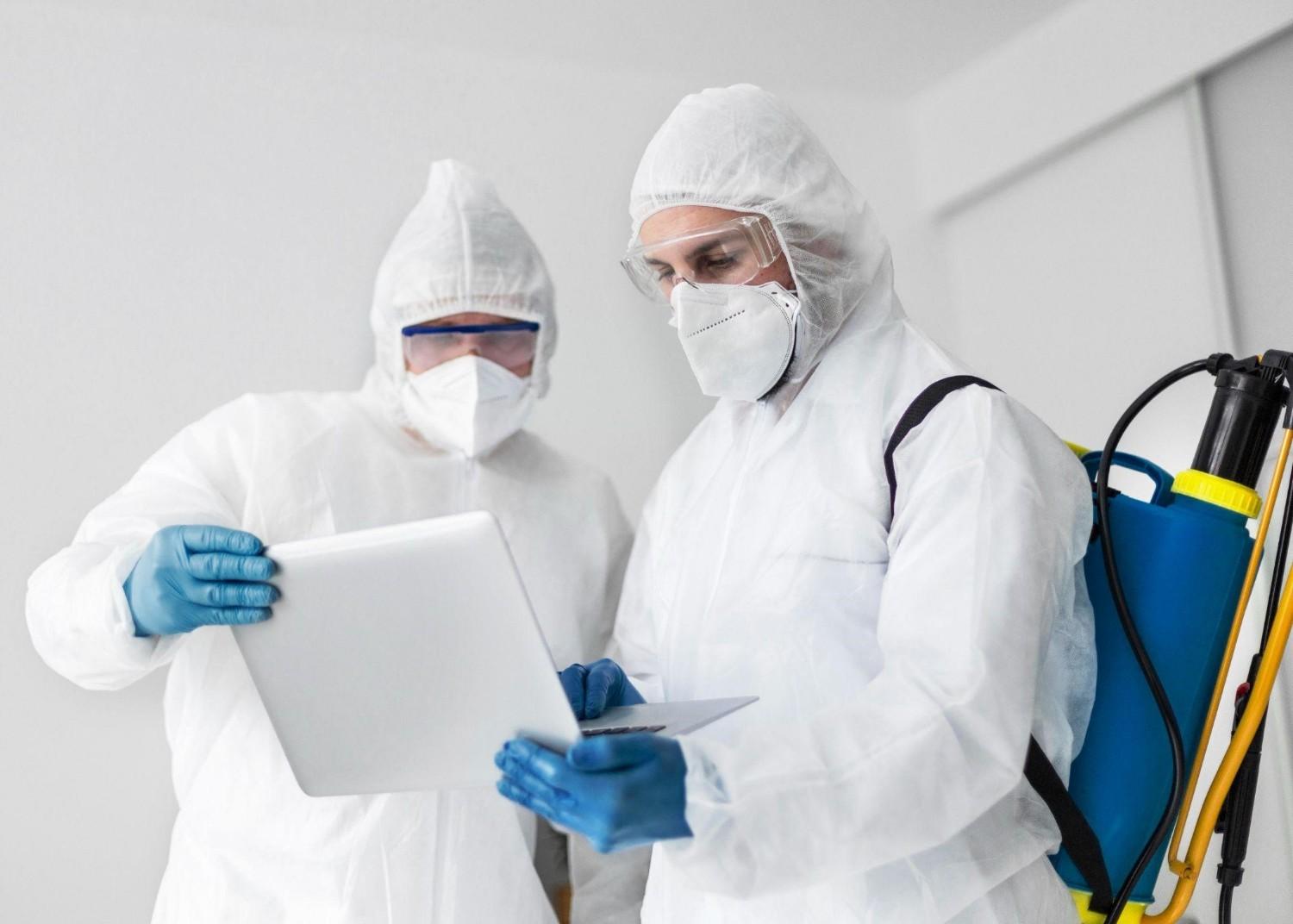
These terms are often used interchangeably, but they describe different scopes of work. Mold removal refers specifically to the physical elimination of visible mold growth scrubbing, wiping, or chemically treating the surface where mold appears. It addresses what is visible.
Mold remediation is a broader, structured process that includes identifying the full extent of contamination (including what isn't visible), establishing containment to prevent cross-contamination, removing all affected materials that cannot be cleaned, correcting the moisture source, treating residual contamination, and verifying through air sampling that the environment is clear.
True remediation makes removal a component of a larger, evidence-based process. For any growth beyond a small, isolated surface spot on a non-porous material, remediation is the appropriate standard and the standard that insurance carriers, home buyers, and industrial hygienists recognize as professionally valid.
Why Maryland Homeowners Choose RestoraMax
IICRC S520 Protocols Every Project, No Exceptions
The IICRC S520 Standard and Reference Guide for Professional Mold Remediation defines the industry benchmark for safe and effective remediation. Every RestoraMax project follows S520 protocols containment requirements, PPE standards, disposal procedures, clearance verification regardless of the project size. This protects your family, our technicians, and your property value.
No Subcontractors Your Project, One Team
RestoraMax does not subcontract remediation work. The certified team that performs your inspection is the same team that establishes containment, removes contaminated materials, and coordinates your clearance testing. That continuity means nothing is lost between handoffs, nothing falls through the gaps, and there is a single accountable point of contact for every decision.
Full Insurance Documentation and Claim Support
Mold remediation insurance claims require precise documentation: air sample results, moisture readings, written scope, photo evidence, lab clearance reports, and repair estimates formatted in the structure adjusters require. We provide all of it and communicate directly with your carrier through the claims process. RestoraMax has worked successfully with every major insurance carrier operating in Maryland State Farm, Allstate, USAA, Erie, Travelers, and others.
24/7 Emergency Response
When a homeowner discovers significant mold growth, the next call should reach a person who can dispatch help not a voicemail or an answering service that passes a message along in the morning. Our emergency line is answered by a live RestoraMax technician around the clock. We reach most Central Maryland locations within 60 minutes.
Warning Signs You Need Mold Remediation
If you notice any of these signs, don't wait. Mold spreads fast, call RestoraMax for a professional inspection today.
Mold Remediation Service Areas in Maryland
RestoraMax provides mold inspection, remediation, and clearance testing across all of Central Maryland and surrounding areas. We serve:
Frequently Asked Questions About Mold Removal & Remediation
What is mold remediation and how does it differ from mold removal?
Mold remediation is a structured, multi-phase process that includes professional inspection and air sampling, physical containment of the work zone, HEPA air filtration, removal and disposal of all mold-contaminated materials, correction of the underlying moisture source, and post-remediation clearance testing by an independent laboratory. Mold removal refers only to the physical cleaning of visible surface growth. For any growth beyond a small isolated spot on a non-porous surface, remediation is the appropriate standard it is the process that insurance carriers, home buyers, and industrial hygienists recognize as complete and professionally valid.
What causes mold growth in Maryland homes?
Maryland's high humidity, basement-heavy housing stock, and seasonal weather patterns create conditions that support mold growth year-round. The most common triggers are water damage events burst pipes, basement flooding, roof leaks, and appliance failures that leave moisture inside wall cavities, subfloor assemblies, and insulation. Mold can begin colonizing porous materials within 24 to 48 hours of water exposure. Persistent moisture from HVAC condensation, inadequate bathroom exhaust ventilation, foundation seepage, and crawl space humidity also produces mold growth without any visible flood event.
Is mold in my home dangerous to my health?
Yes. Indoor mold releases microscopic spores that can cause respiratory irritation, persistent cough, nasal congestion, eye irritation, and allergic reactions in otherwise healthy individuals. People with asthma typically experience more frequent and severe attacks in mold-contaminated environments. Children, adults over 65, pregnant women, and individuals with compromised immune systems face elevated risk and can experience more serious effects from exposure levels that produce only mild symptoms in healthy adults. A clinically meaningful warning sign: respiratory or allergy symptoms that consistently worsen at home and improve when you leave the property.
How long does mold remediation take?
Most residential mold remediation projects in Maryland take two to five days for the active remediation phase containment setup, material removal, surface treatment, and air scrubbing. Post-remediation air sample results typically return within 24 to 48 hours of collection. If the project includes structural repair or rebuild of removed materials, add one to three weeks depending on scope. The timeline is driven by the size of the contaminated area, the number of zones affected, and whether moisture source correction requires additional trades. RestoraMax provides a written timeline estimate before work begins.
Can mold come back after professional remediation?
Professional remediation eliminates the existing mold colony and verifies clearance through air sampling but mold will return if the moisture source that caused it is not corrected. This is why moisture source identification and correction is a required step in any complete remediation, not an optional add-on. If the source of moisture is addressed and post-remediation clearance testing confirms the structure is clear, recurrence is unlikely under normal conditions. If new moisture intrusion occurs later a new leak, foundation issue, or HVAC failure new mold growth is possible and would require a new assessment.