Fire Damage Restoration in Greenbelt, MD
A fire can leave a property facing several problems at once: burned materials, smoke and soot, lingering odors, and water left behind by fire suppression. What looks like a single damaged room may require a broader assessment before cleanup or reconstruction can begin. For Greenbelt property owners, the restoration plan may also need to account for the age and character of the building and the permits required for permanent repairs. RestoraMax provides 24/7 emergency response across Central Maryland, with IICRC-certified, licensed, and insured technicians and an advertised 30–45-minute average on-site response. The team can secure the property, address smoke and water damage, document the loss, and continue into reconstruction when damaged areas need to be rebuilt.
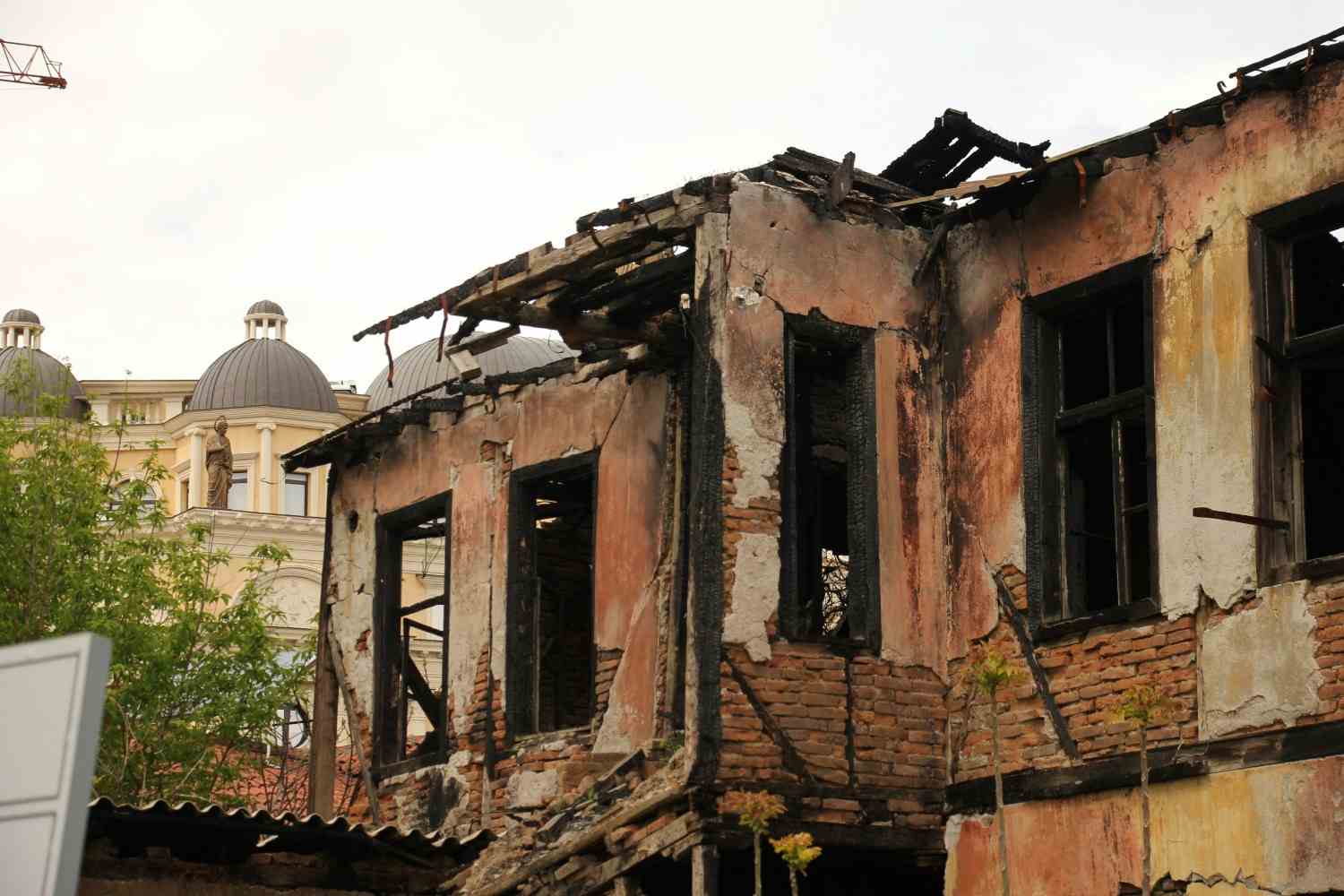
WHAT FIRE DAMAGE RESTORATION COVERS
SECURE OPENINGS BEFORE SECONDARY DAMAGE
After the fire scene has been released, broken windows, damaged doors, roof openings, and other exposed areas may need temporary protection. Board-up and tarping reduce exposure to weather and unauthorized entry while the property is being assessed and the permanent repair scope is developed.
REMOVE FIRE-SUPPRESSION WATER
Water used during firefighting can remain in floors, walls, insulation, and contents after the flames are out. The restoration plan should account for that moisture alongside the fire damage, with extraction and drying used where conditions warrant it.
CLEAN SMOKE AND SOOT BY MATERIAL
Smoke residues do not behave the same way on every surface. Their composition and adhesion depend in part on what burned and how the fire developed, so cleaning methods should be selected for the affected material rather than applying one treatment everywhere. The IICRC S700 framework specifically addresses assessment of fire residues and odors.
TRACE SMOKE ODOR THROUGH CONTENTS AND AIR PATHS
A room can look clean while smoke odor remains in fabrics, wood, furnishings, or other porous materials. Persistent odor remediation in Greenbelt properties may require evaluating contents and affected air pathways instead of simply masking the smell.
REPAIR WHAT CLEANING CANNOT RESTORE
Some fire-damaged drywall, flooring, insulation, framing, cabinetry, and finishes cannot be returned to service through cleaning alone. Once mitigation is complete, the rebuilding scope can move into repairs and finish work so the property does not sit between cleanup and reconstruction. Fire losses can also leave moisture behind, so a combined recovery plan may need to address water intrusion as well as smoke residue. Moisture assessment and structural drying can be incorporated when water from suppression has affected the building.
STEPS TO RESTORE A FIRE-DAMAGED PROPERTY
MAKE THE PROPERTY SAFE AND MAP THE LOSS
Once the property has been released for restoration work, the first task is to understand what happened and what remains exposed. Areas requiring temporary protection, smoke assessment, water mitigation, or deeper structural review are identified before cleanup moves forward.
ISOLATE AFFECTED AREAS AND PROTECT CONTENTS
Work zones are established around the affected portions of the property, and salvageable belongings can be separated from heavily damaged materials. This keeps the project organized and helps prevent unnecessary movement of soot, debris, or contaminated materials.
ADDRESS SMOKE, SOOT, AND MOISTURE TOGETHER
Fire residue and firefighting water can create separate restoration problems at the same address. The cleanup plan tackles each condition according to its source and material impact, including drying where moisture has entered building assemblies.
RESTORE CONTENTS AND MANAGE LINGERING ODOR
Furniture, household goods, and other contents are evaluated individually rather than automatically discarded. Where smoke odor persists, treatment is selected according to the materials affected and the source of the odor.
REBUILD THE AREAS THAT CANNOT BE SAVED
After mitigation, materials that are too damaged to restore can be replaced as part of the reconstruction phase. The work can include drywall, flooring, cabinetry, painting, and structural repairs, followed by a final review of the completed scope. Where the fire has damaged building materials, the cleanup stage can lead directly into rebuilding and finish repairs. If moisture remains after suppression, it is also important to address conditions that can later support mold growth.
FIRE DAMAGE CONSIDERATIONS IN GREENBELT
ORIGINAL GREENBELT HOUSING DESERVES CAREFUL ASSESSMENT
Greenbelt was developed as a planned federal community beginning in the 1930s, and many original buildings and design features remain part of the city today. The Greenbelt Museum identifies an original 1937 residential unit, while the city describes the historic core as a distinctive planned community with original architecture and walkways. Fire-damaged properties from this earlier housing stock may require careful assessment before finishes are removed or replaced.
CITY AND COUNTY PERMITS CAN BOTH MATTER
Greenbelt states that construction projects requiring building permits from Prince George’s County must also be permitted by the City. That means the repair pathway can involve both jurisdictions depending on the work being done. Structural, electrical, mechanical, or other permanent repairs should be matched to the permits and inspections required for the specific property.
RESIDENTIAL, APARTMENT, AND COMMERCIAL LOSS REQUIRE DIFFERENT SCOPES
Greenbelt includes original cooperative townhomes, apartments, and newer residential and commercial areas outside the historic core. A fire in a single-family unit is therefore not assessed in exactly the same way as a multi-unit or commercial loss; occupancy, affected units, shared building systems, and the repair scope can all change the restoration plan.
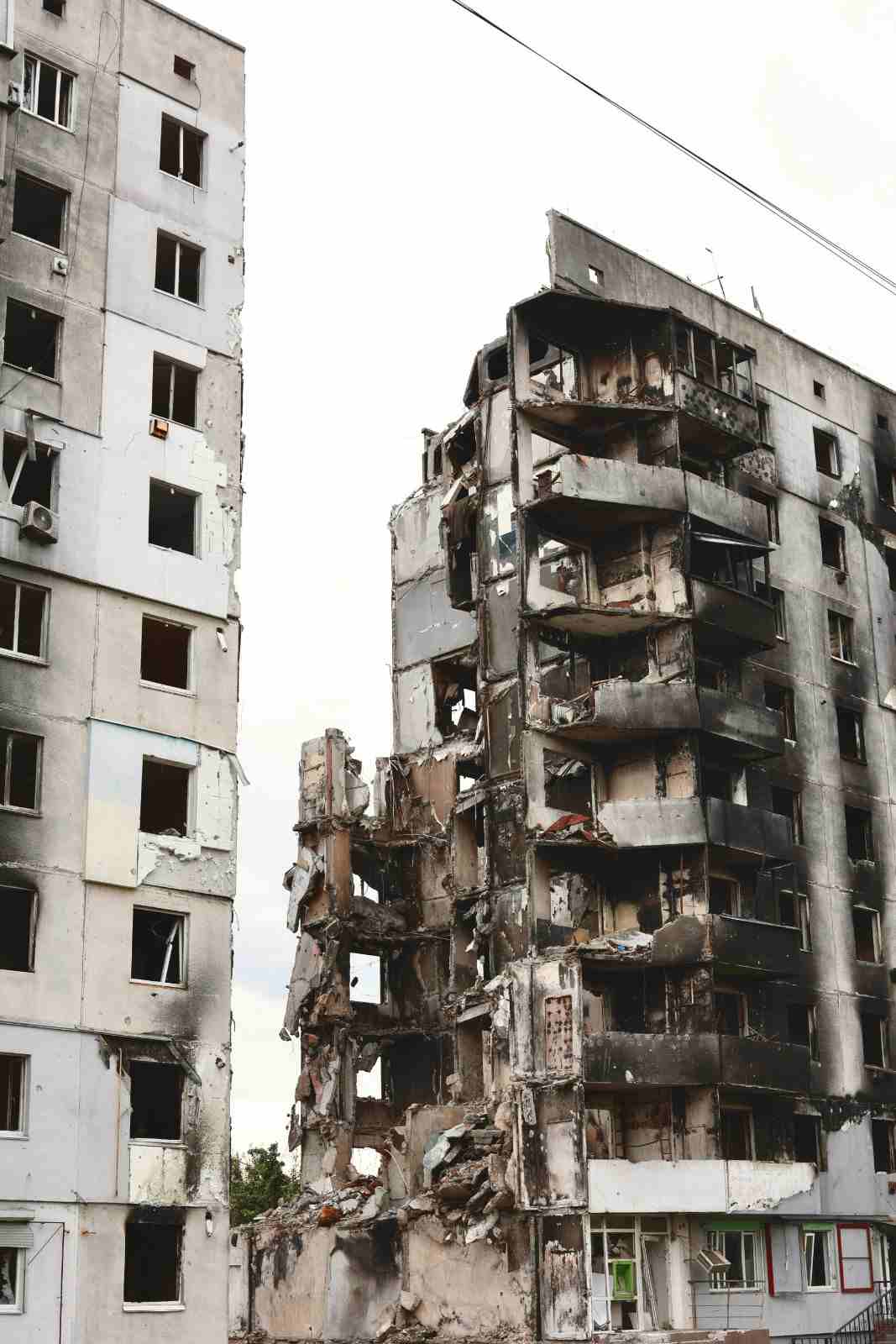
AFTER THE FIRE: PRACTICAL STEPS BEFORE CLEANUP
WAIT FOR CLEARANCE BEFORE RE-ENTERING
Do not return to a fire-damaged property until the appropriate authorities have determined that it is safe. Structural, electrical, gas, smoke, and water hazards may remain even when the fire itself is out.
LEAVE DAMAGED UTILITIES ALONE
Do not attempt to repair burned wiring, electrical equipment, gas lines, or other damaged utilities yourself. If a utility hazard is suspected, leave the area and contact the appropriate emergency service from a safe location.
AVOID SPREADING SOOT OR DEBRIS
Aggressive wiping or demolition before the damage is assessed can spread residue or disturb materials that need specialized cleaning. Keep unnecessary traffic out of affected rooms until the restoration scope is established.
PHOTOGRAPH THE LOSS WHEN IT IS SAFE
Once the property is safe to enter, photograph affected rooms, visible damage, and belongings before extensive cleanup or disposal. Keep records and receipts related to the loss and any temporary measures taken to protect the property.
NOTIFY YOUR INSURER AND START THE RESTORATION REVIEW
Maryland Insurance Administration guidance advises policyholders to notify the insurer promptly after a fire and to protect the property from further damage. A restoration contractor can document conditions and prepare an estimate for the work that is needed.
GREENBELT FIRE RESTORATION QUESTIONS PROPERTY OWNERS ASK
Why RestoraMax for Greenbelt Fire Damage
Fire damage in Greenbelt's cooperative housing affects shared community property and requires coordination with co-op management, neighboring residents, and historic preservation authorities in some cases. Our team understands these complex scenarios and manages the process professionally, and we bring that same expertise to water damage restoration from first response through final restoration.
RestoraMax provides 24/7 emergency fire damage restoration in Greenbelt MD throughout Prince George's County. IICRC certified, licensed and insured.