Water Damage Restoration in Washington, D.C.
A burst pipe doesn't check your zip code before it floods a basement. It doesn't care whether the rowhouse above it dates to 1890 or whether the condo two floors up belongs to someone whose name shows up in the news. Water damage in Washington, D.C. moves fast, and it moves the same way whether it's hitting a Capitol Hill townhouse or a high-rise near Dupont Circle.
RestoraMax responds to water damage emergencies across every Washington DC neighborhood Georgetown, Capitol Hill, Adams Morgan, Shaw, Logan Circle, and beyond arriving in 30 to 45 minutes from our Central Maryland base. We work with the discretion that government-adjacent properties and high-profile clients require, and we bring the specific expertise that Washington DC's mix of century-old rowhouses and modern luxury condos demands.
Our Complete Water Damage Restoration Includes
Immediate Water Pumping and Removal
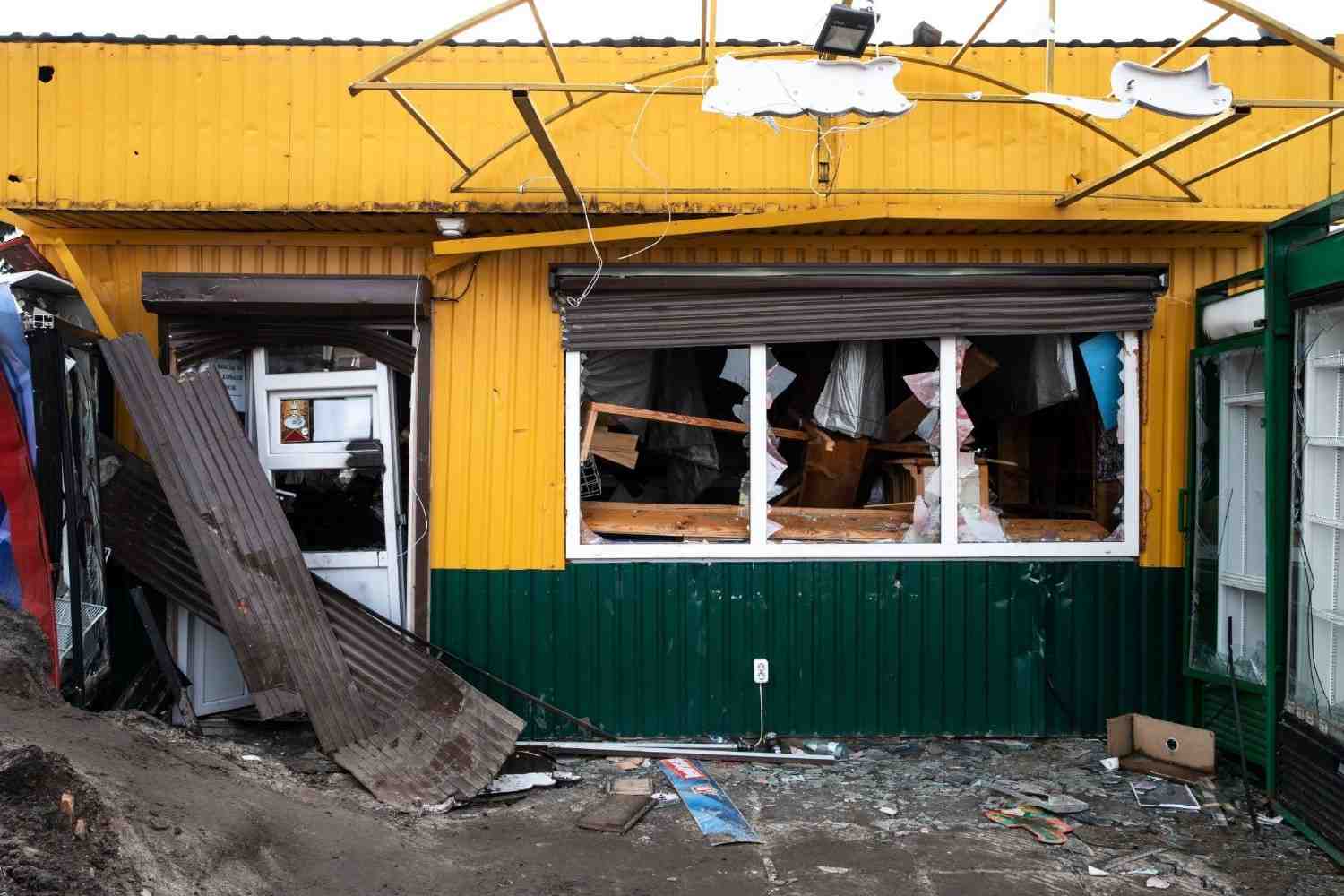
The first crucial step after a disaster is getting the standing water out of your property before it spreads. We bring in high-capacity, truck-mounted pumps to quickly extract thousands of gallons from your floors and carpets. Acting fast with reliable emergency flood services prevents moisture from destroying your subfloors and compromising the building's structural integrity.
Deep-Penetration Drying Techniques
Simply vacuuming up the visible puddles will not stop structural decay or prevent mold growth. Materials like drywall, timber framing, and concrete absorb liquid like a sponge. We strategically place commercial-grade air movers and dehumidifiers to pull this deeply embedded moisture out during your basement flood restoration.
Heavy-Duty Disinfection and Decontamination
Storm floodwaters and septic backups carry dangerous bacteria that put your family's health directly at risk. Instead of just wiping down the affected surfaces, we apply EPA-approved antimicrobial treatments to completely neutralize these biological threats. This strict level of environmental sanitization is exactly what you should expect from professional sewage cleanup services.
Advanced Hidden Moisture Tracking
Water always finds the path of least resistance. It frequently hides completely out of sight behind walls or beneath heavy floorboards. Our technicians use infrared cameras and specialized meters to pinpoint these invisible damp zones with absolute precision. Finding the exact problem areas helps us save salvageable materials and ultimately lowers your final water damage repair cost.
Controlled Tear-Outs and Material Disposal
When porous building materials absorb heavily contaminated water, they usually become unsafe to keep in your home. We carefully remove ruined elements like soaked drywall, saturated insulation, and ruined carpet padding. By hiring experienced basement flood cleanup experts, you ensure that only the truly unsalvageable debris gets torn out of your property.
Start-to-Finish Home Rebuilding
A mitigation job is never fully complete if you are left staring at bare wooden studs and raw concrete floors. Our skilled in-house contractors take over immediately to hang new drywall, lay fresh flooring, and apply the final coats of paint. You get a completely seamless residential restoration experience from the moment we arrive until your home looks brand new again.
How Does the Water Damage Restoration Process Work?
We follow a step-by-step sequence to eliminate hidden moisture, prevent mold growth, and protect your property from structural failure.
Emergency Dispatch
Every call gets a live technician, 24/7. We dispatch immediately to any D.C. neighborhood Northwest, Northeast, Southeast, Southwest, Capitol Hill, Georgetown, Dupont Circle, Adams Morgan, Columbia Heights, Brookland, Anacostia, Shaw, Logan Circle, the U Street Corridor, Foggy Bottom, Tenleytown, Chevy Chase Washington DC, and Brightwood.
Assessment With Moisture Meters and Thermal Imaging
We map moisture behind original plaster, beneath hardwood, and inside shared condo walls using calibrated meters and infrared cameras. This step matters more in D.C.'s older housing stock, where water hides inside lath-and-plaster assemblies that look dry on the surface while staying saturated for weeks underneath.
Industrial Water Extraction
Standing water comes out first, using truck-mounted extraction units and submersible pumps. In a below-grade English basement, this often means working in confined spaces that call for different equipment placement than a standard above-ground unit.
Structural Drying Matched to Historic and Modern Materials
Original plaster, century-old wood framing, and modern condo drywall all dry differently. We calibrate drying protocols to the actual materials in your property, not a one-size-fits-all approach that risks warping original hardwood or over-drying fragile historic plaster.
Antimicrobial Treatment
Before the 24-to-48-hour mold window closes, every affected surface gets treated with EPA-registered antimicrobial solution protecting your property and, in multi-unit buildings, the units around you.
Insurance Documentation
We document everything moisture readings, photos, written reports formatted for the specific requirements D.C. insurance claims involve, and we communicate directly with your carrier. For condo claims involving building master policies and individual unit coverage, we provide the added documentation those layered claims typically require.
Full Restoration
Rebuilding a D.C. rowhouse means matching original plaster texture and trim profiles, not just hanging new drywall. Where historic preservation guidelines apply common throughout much of D.C.'s protected rowhouse stock we work within those requirements instead of around them.
What Causes Water Damage in Washington D.C. Homes and Businesses?
Corroded Plumbing in Historic Rowhouses
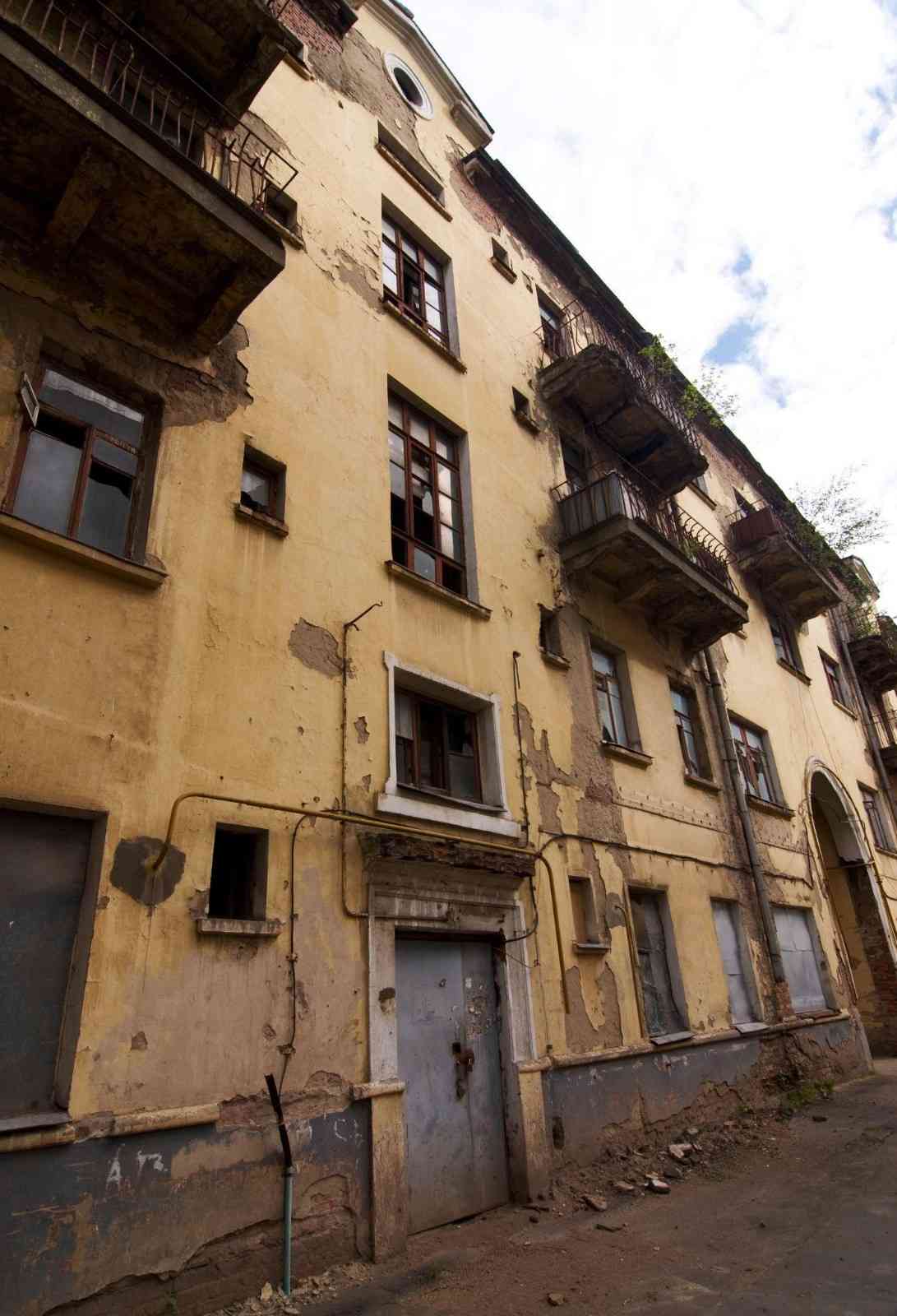
Historic rowhouses often contain original, aging cast iron and galvanized pipes that corrode from the inside out. These failing pipes can leak hidden moisture behind plaster walls for weeks before becoming visible.
Groundwater Intrusion in English Basements
D.C.'s famous below-grade "English basements" sit at or below the natural water table. This architectural design makes them highly susceptible to constant groundwater intrusion during heavy rainstorms.
Cascading Leaks in High-Rise Condos
In newer luxury buildings, a single plumbing failure like a broken washing machine line can cascade through high-density plumbing stacks. This sends water pouring into multiple units below before building staff can shut it off.
Combined Sewer System Backups
Parts of D.C. still use aging combined sewer systems that mix stormwater and sanitary waste during heavy downpours. When these overflow into basements, they introduce hazardous black water that requires specialized sanitization.
Flat Roof and Parapet Wall Leaks
Traditional flat-roofed rowhouses frequently suffer from ponding water and slow leaks around roof drains or parapet walls. This hidden moisture can travel down through several floors before finally appearing as a ceiling stain weeks later.
What Are the Signs of Hidden Water Damage?
Musty odors along shared walls in rowhouses or between condo units a sign moisture may be trapped inside wall assemblies
Bubbling or peeling paint on plaster walls, especially in older rowhouse properties
Soft or spongy original hardwood flooring
Water stains on ceilings below flat-roof or parapet-wall construction
Efflorescence white mineral deposits on below-grade basement or English basement walls
Unexplained water bill increases, suggesting a slow leak inside original cast iron or galvanized plumbing